Widget design refresh and custom font support
We've given the widget a visual refresh! The updated design is cleaner and more modern, helping it blend seamlessly into your site. ✨
Additionally, the widget now respects the custom font you've configured in your brand styles under Product Settings. This means your release notes widget will feel like a natural extension of your brand, matching the typography your users already see across your product.
Fixed timestamp parsing issue
We resolved a bug where the created_at timestamp was not being read correctly from the cache layer. This could have caused incorrect dates to appear in certain areas of the application. ⏰
Timestamps are now parsed and displayed accurately, ensuring consistent and reliable date information across the platform.
Customize Your AI-Generated Release Notes ✨
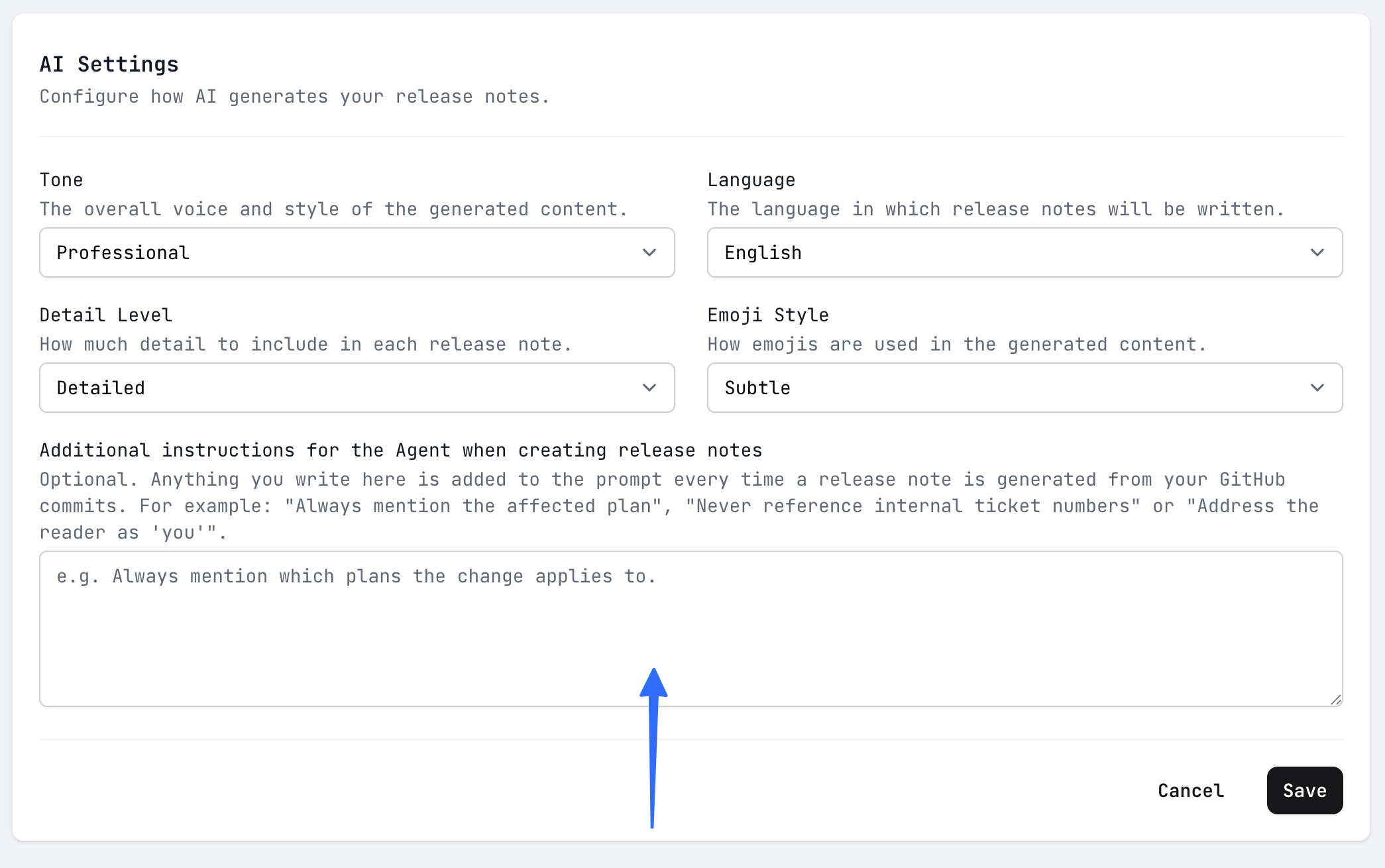
You now have full control over how your AI-generated release notes are written! We've added a new AI Settings panel where you can tailor the output to match your brand voice and audience preferences.
- Tone — Choose the writing style that best fits your product, from professional to casual.
- Language — Select the language for your generated release notes.
- Detail Level — Control how in-depth or concise the AI-generated content should be.
- Emoji Style — Decide how (and whether) emojis are used in your posts.
These settings are automatically applied every time new release notes are generated from your commits. Head over to your product's settings page to configure them.
Release Notes Now Generate from a Single Commit
We've lowered the commit threshold required to trigger automatic release note generation. Previously, you needed multiple commits before notes would be created — now, even a single commit is enough to kick off the process. This means faster, more timely release notes for smaller updates and quick fixes. 🚀
Fixed Issues with Git-Based Post Publishing
We resolved a bug that was preventing posts created via Git commits from being published successfully. The issue was related to how bullet point items in commit messages were being processed, which could cause the publish step to fail silently.
If you previously experienced issues with posts not appearing after pushing commits, everything should now work as expected. 🎉
Fixed pagination when searching posts
We fixed a bug where search filters and parameters were lost when navigating to the next page of results. Now your search criteria are properly preserved across all pages, so you can browse through filtered results without losing your query. 🔍
📫 Email Notifications for GitHub Integration
Stay in the loop with your release notes workflow! 🚀 When you push to your connected GitHub repository, ReleasePad will now automatically send you an email notification if any draft posts were generated from your commits.
This makes it easy to review and approve new release notes right away, so your changelog stays up to date without you having to constantly check for new drafts.
Skip commits from release notes with [skip] tag
You can now exclude specific commits from your release notes by adding a [skip] tag anywhere in the commit message. This gives you full control over which changes make it into your polished release notes. 🎯
This is perfect for keeping internal housekeeping — like formatting fixes, refactoring, or CI tweaks — out of your user-facing changelogs.
- Add [skip] (case-insensitive) to any commit title or body to exclude it from release notes
- Skipped commits are still stored for your records, but won't appear in generated notes
- Works automatically — no extra configuration needed
🤖 GitHub Integration: Your Commits Now Write Your Release Notes

Every time you push code, your users should know about it — but let's be honest, writing release notes after a deploy is the task everyone skips. Not anymore.
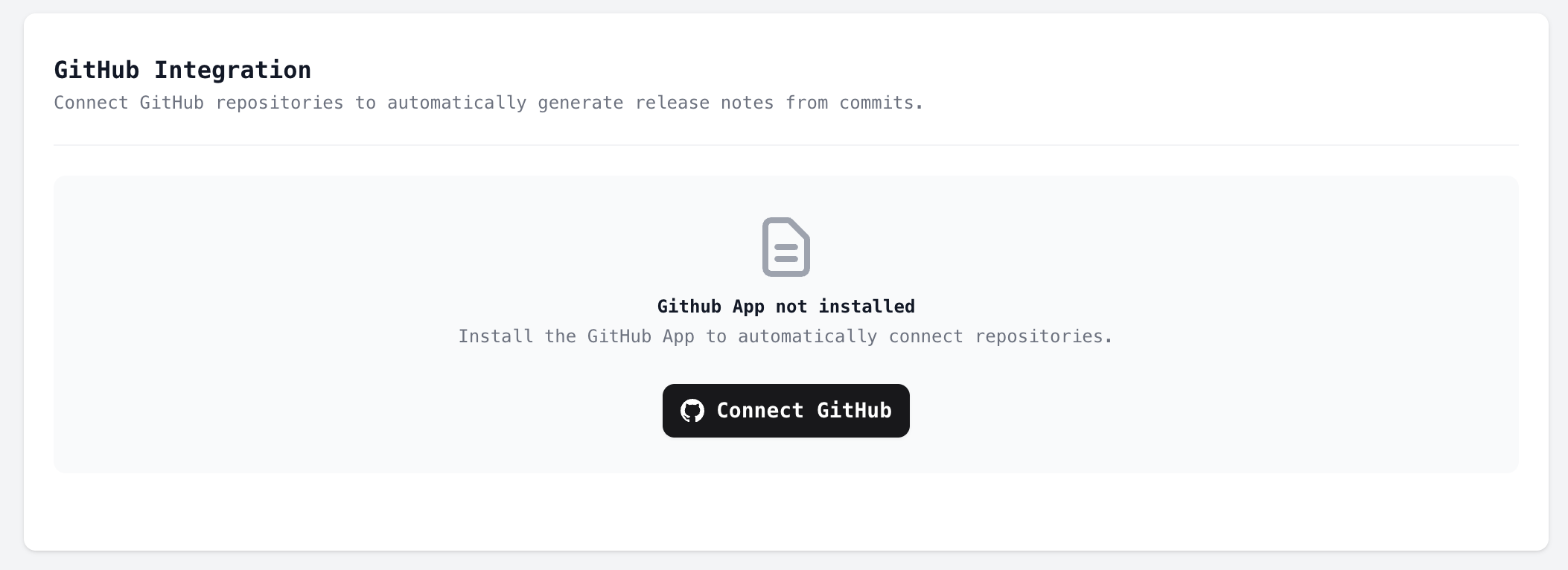
ReleasePad now connects directly to your GitHub repository. Once linked, every push triggers an automatic reading of your commits. Our AI then analyzes those commits and generates well-written, clear posts — categorized exactly how you've set them up — and publishes them to your changelog without you lifting a finger. 🔥
Here's what this actually means for your workflow:
- You push code. That's it. ReleasePad handles the rest.
- AI reads and understands your commits, then transforms raw technical messages into polished, user-friendly posts.
- Each post gets assigned to the correct category (features, fixes, improvements — whatever you've defined).
- Multiple posts get created from a single push if the changes span different areas of your product.
- Your users stay informed in real time, every single time.
Why this matters more than you think — the gap between shipping and communicating is where user trust erodes. Your team ships fast, but if your customers don't see those improvements, they assume nothing is changing. This integration closes that gap permanently.
No more deciphering commit messages into human-readable updates. No more "we'll write the changelog later." No more backlog of undocumented features. The AI does the heavy lifting — turning fix: resolve null pointer in auth flow into something your users actually want to read. 🧠
Connect your repo once, keep pushing code, and let your product speak for itself ✨
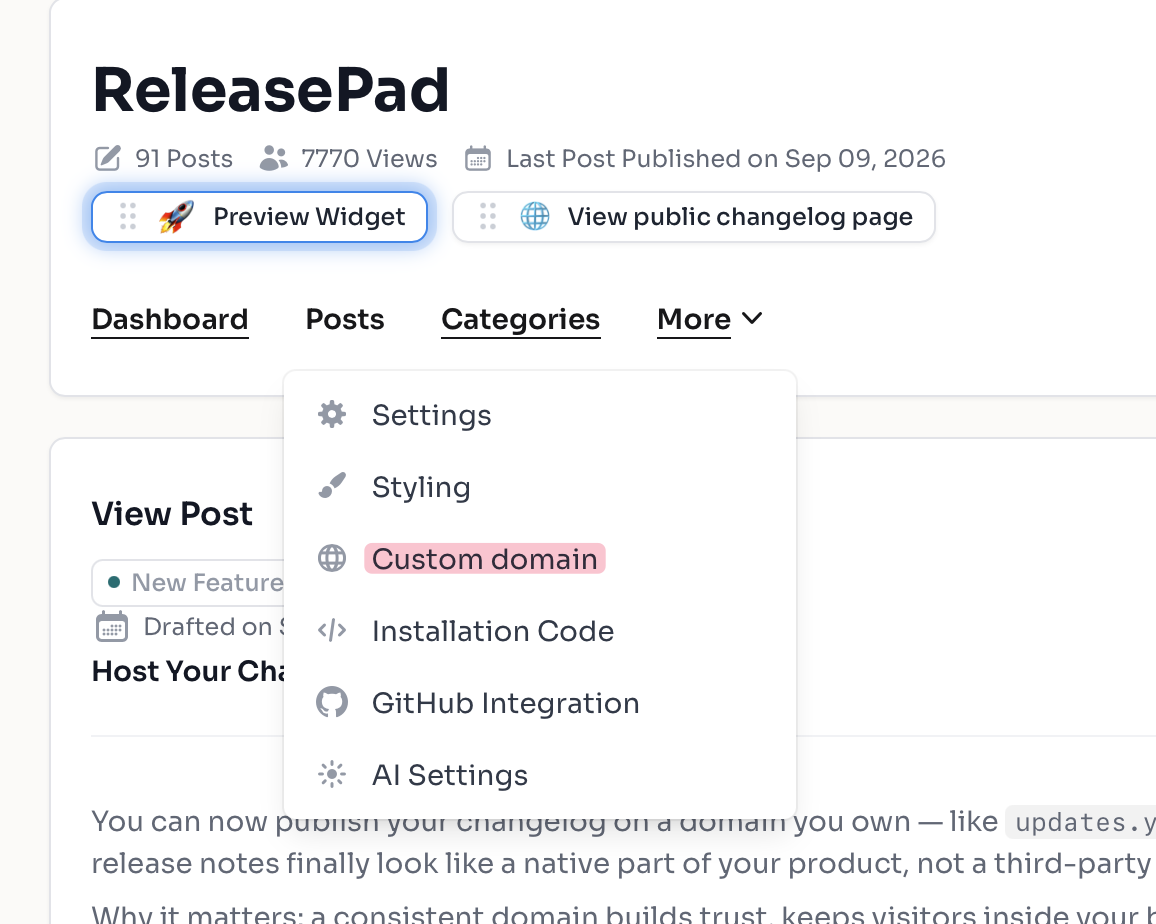
Ready to set it up? Inside your product, go to More → GitHub Integration → Add Repository — and you're good to go.
Weekly Stats Email 📊
Stay on top of how your products are performing! We've introduced a new Weekly Stats Email that lands in your inbox every Monday morning, giving you a quick snapshot of the past 7 days.
Here's what's included in your weekly digest:
- Page views — See how much traffic your product pages received
- Post views — Track engagement on your release notes and announcements
- New posts — A summary of content published per product
📊 📊 📊 📊